Category Archives: Foreign
Paris, the center of the world
0
“Foreigners belong in France because they have always been here and did what they had to do there and remained foreigners there. Of course they all came to France, a great many to paint pictures. So it begins to be reasonable that the 20th century needed the background of Paris, the place where tradition was so firm that they could let anyone have the emotion of unreality. Paris was where the 20th century was.” – Gertrude Stein
Newport, RI & the Gilded Age
0
I just took a trip to Newport, RI, home of many grand mansions from the Gilded Age and my are they beautiful. We toured seven of them in three days. Their initial grandeur, although mesmerizing, loses its effect as you tour the houses and hear the stories of those who lived in them. Realizing what it took to run a house so ostentatious can be disheartening if you don’t belong to the same socio-economic circle. However, they can also be appreciated for their pure architectural beauty and genius. Most of them modeled after castles or chateaus in England and France, they helped spread the culture and intellect of Europe to the U.S. Who would have thought…a small town on the coast of Rhode Island acts as a miniature European city.

For anyone who likes Downtown Abbey or is interested in the social structure during that time, touring these mansions is a real treat. The tours are very informative and interesting, detailing the home-owners’ daily lives, parties, marriages, relationships with their servants, clothing, budget, etc. The kinds of families that lived in these mansions are the likes of the Vanderbilts. In fact, various family members built more than one house in Newport. The mansions are now preserved and shown to the public by the The Preservation Society of Newport County. It’s shocking to think that some of these mansions could have been torn down in the 60s, but thanks for The Preservation Society they are still standing and thriving. I would definitely recommend a visit to Newport, RI to see these stately mansions and learn more about the Gilded Age.

Ida
0Films with shots that can stand alone as photographs demonstrate the quality of the filmmaker, and I think this is truly how you can tell that a filmmaker is great. Ida is a film with very interesting, unique shots that can definitely stand alone as photographs. It is shot in black & white, which makes it look more dramatic and authentic to begin with, not to mention the beautiful cinematography, which makes it really very compelling.

A Polish movie directed by Pawel Pawlikowski, it is about a young girl abandoned at a convent as a baby who goes on a journey to find out about her family as a young adult. She does not do so by choice, but is rather forced to meet her aunt by the Mother Superior at the convent shortly before she is to take her vows. Ida’s first encounter with her aunt is not a positive one, as her aunt does not seem very interested in meeting her, and not yet knowing what her profession is, comes off as a prostitute. Ida is about to go back to the convent after their brief meeting when her aunt retrieves her and decides to start a relationship with her. Ida finds out that she comes from a Jewish family, and considering she is preparing to take her vows to become a Catholic nun shortly thereafter is rather ironic.


Ida and her aunt go on a little road trip to find out what happened to her parents and they meet the family that was hiding them. This family turns out to be rather unpleasant, although helpful in the end. They find out that her parents and a young boy, who appears to be either Ida’s brother or her aunt’s son, are buried in the woods. He takes them there and digs out the grave so that Ida and her aunt can have proof and perhaps gain some closure. The aunt takes the child’s skull in her arms and Ida does the same with her parents so they can give them a proper burial at the family gravesite. I must admit this sequence is eerie, but it does bring a sense of closure both to Ida and her aunt and to the audience.


Along the way, they pick up a young musician looking for a ride. He happens to be going to the same place they are and performs shows at the hotel where Ida and her aunt are staying. Ida and the musician develop a bit of crush on each other, which in time develops into a relationship. It ends, however, after a sexual encounter much welcomed by Ida, but propels her back to the convent to take her vows and become a nun. Meanwhile, her aunt commits suicide by jumping out of her apartment window and Ida is again left without a family. This is perhaps one of the reasons she decides to go back to the convent. Her blossoming relationship with the musician is brief and filled with passion, but not true love and would not have necessarily turned out to be long-lasting even if she had stayed.

It is a slow-moving movie, it is a quiet movie, and it is a sad movie. Its plot and unique cinematography is not for everyone, but it is beautiful. I would encourage anyone interested in foreign film or great cinematography to give it a chance. It definitely makes me eager to see more of Pawel Pawlikowki’s films and more Polish films in general.

The 4th
0
Fireworks…what are they but pretty, colorful bombs? It’s true. They are beautiful, but I hate the sound they make when they go off. They sound like bombs. I guess that’s appropriate though when you’re celebrating a country that likes war. Oh the 4th, a day to celebrate how patriotic you are and just how much you love your country. It’s great, if you actually love your country. I, for one, do not feel a very strong attachment to the U.S. So all the stars and stripes attire that people wear and all the glittery, fluttery accessories are too much for me. While I can appreciate feeling that strongly towards your country, I just don’t feel it for the U.S. I think this is a consequence of my birth in Rome and having spent half of my childhood in Italy and the other half in the U.S. So unfortunately for me, the 4th of July is not my favorite holiday, but I wish a Happy 4th to all those who do love America.

“My Roman Intimacies”
2I just read a really genuine, authentic, intimate account by Barbara Grizzuti Harrison about her trip to Rome, and having traveled there recently myself, it was a delightful read that brought me back to my own trip. I thought I’d share some excerpts from it to give you some insight on what it’s like to fully experience Rome.

“Rome cannot be learned by rote. It is absorbed through the pores.”
Everybody watches everybody else and calls this minding their own business.
Perhaps you do not think these matters are worthy of discussion. But to enter into Roman life, you must do two things, one of which is to take coffee seriously (or take seriously the Romans’ love of coffee, which they regard as both invigorating and relaxing, and their desire to discourse thereupon). The other is to not exclude the Baroque from your affections – do not, that is, remain overly attached to simplicity.
“…if you enter a courtyard in Rome, you are treated as if you have done something clever; trespassing is invariably rewarded.”
A city that anticipates all one’s needs and fulfills some needs one didn’t know one had.
“…ecclesiastical garments and undergarments are sold together with babies’ booties and women’s filmy lingerie. Perhaps this has a metaphysical meaning that I cannot grasp.”
My body, as is so often the case in Rome, has understood something before my mind has.
I dream incessantly, intensely, fruitfully when I am in Rome. My unconscious mind replicates the topography of the Eternal City. It caresses anomalies: it reaches an intuitive understanding of the past (my past), only to see more levels, deeper levels, hidden pasts, leering like a satyr smiling like a becalmed saint; it meanders sinuously among artifacts lost and found, unknown but known; it plays hide and seek; it travels many ways to arrive at the same place.
“There is no color in the world that is not represented here, no texture, no flesh.”
It occurs to me that Romans are taught to see things from all sides, and not entirely to trust the face of things.
Everybody I know in Rome wants to live on Via Giulia. I do too.
“You may never have this kind of Roman holiday…But if you are radically and transparently open to experience, you will stumble on something equally wonderful. One always does. Rome is generous.”
…that a child’s mind might have conceived but that only a genius could have executed.
It is marvelous to climb lower and lower into the ancient world.
There are times, in my love affair with Rome, when I wish to be nothing but passive. Rome will always be there – that is my hope and conviction. There is no need to rush here and there. It is enough to know that delight is all around me. When I feel this way, I spend the better part of my day sitting in a cafe facing the Pantheon, eating ices and contemplating the changing scene. Perhaps that, after all, is why I love Rome. In a city suffused in history and teeming with the most operatic people on earth, it is possible to be absolutely still.








La Dolce Vita
0Chronicles of our trip to Rome, which was really special because it was the first time that we went as a family in 13 years. Considering I was born there and grew up there for the first eight years of my life, it was a momentous trip for us.
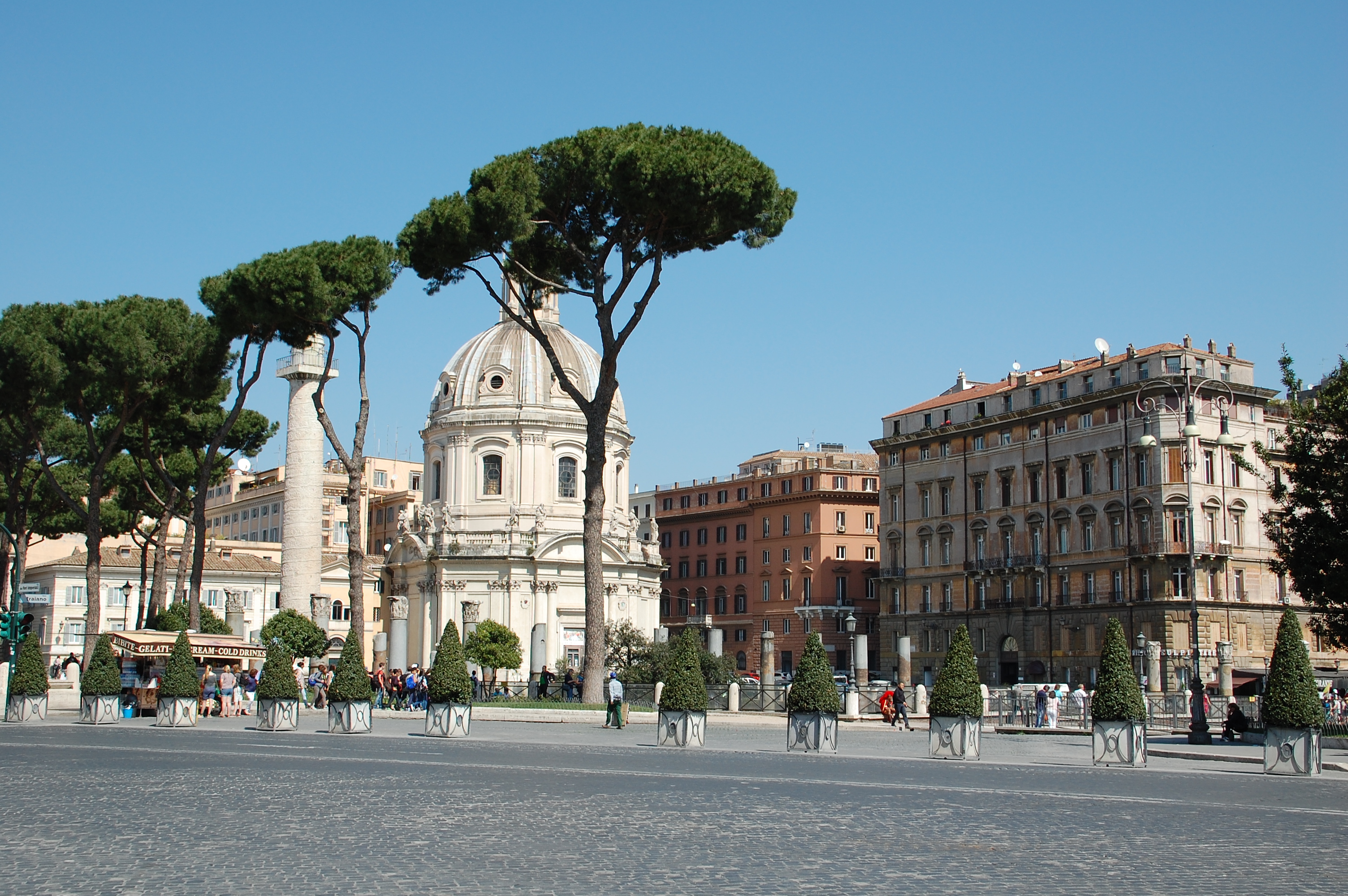
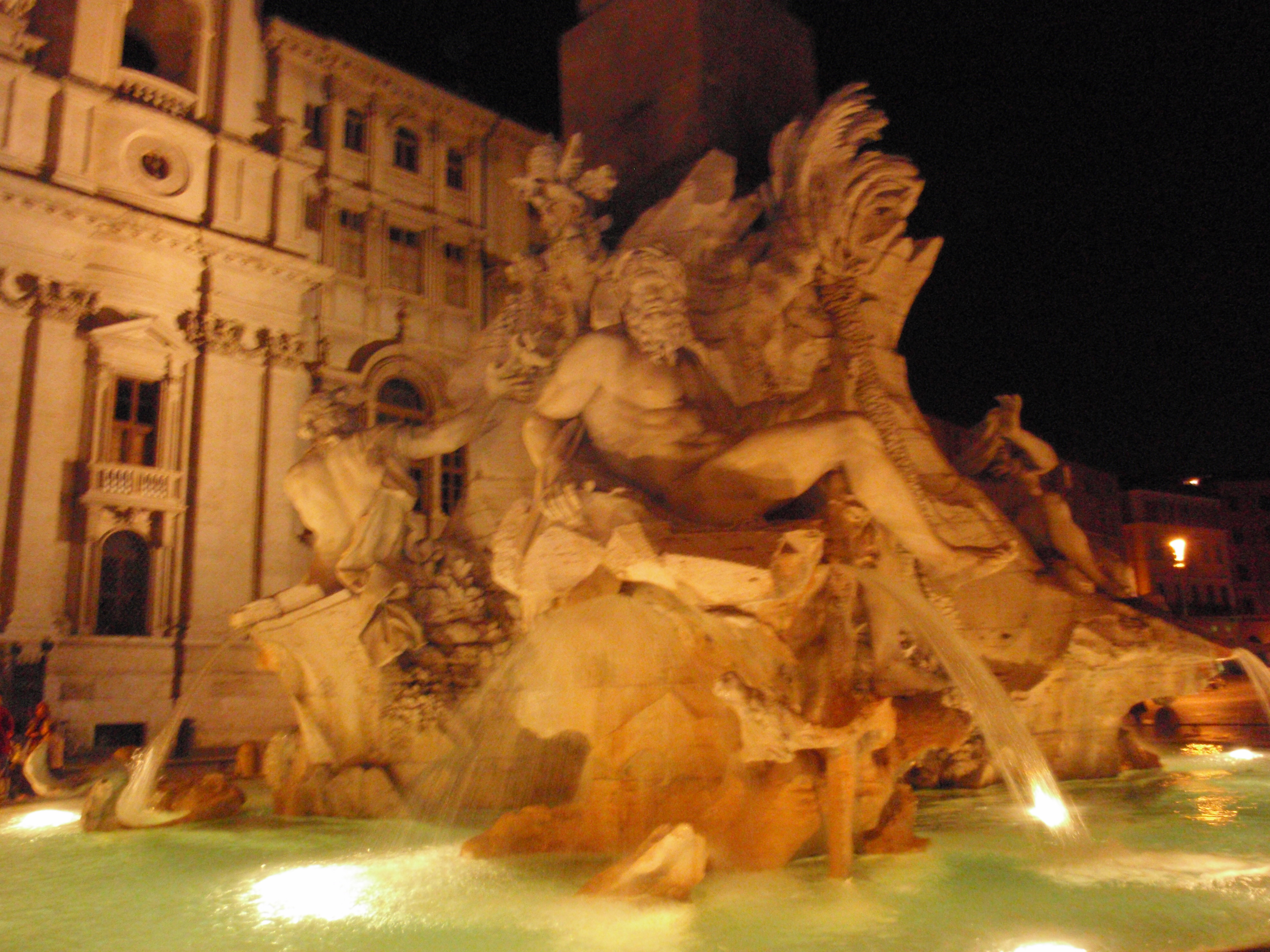
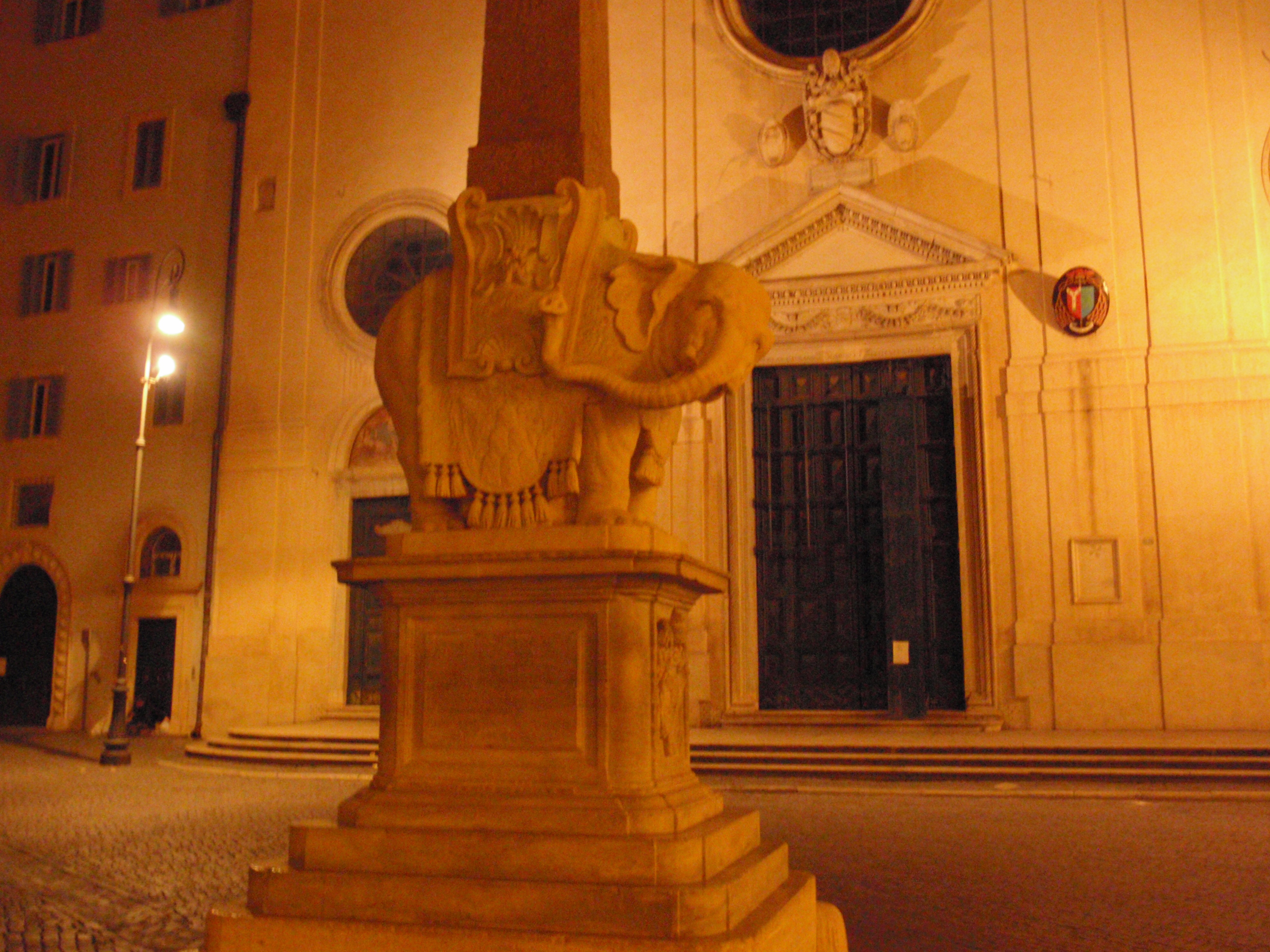
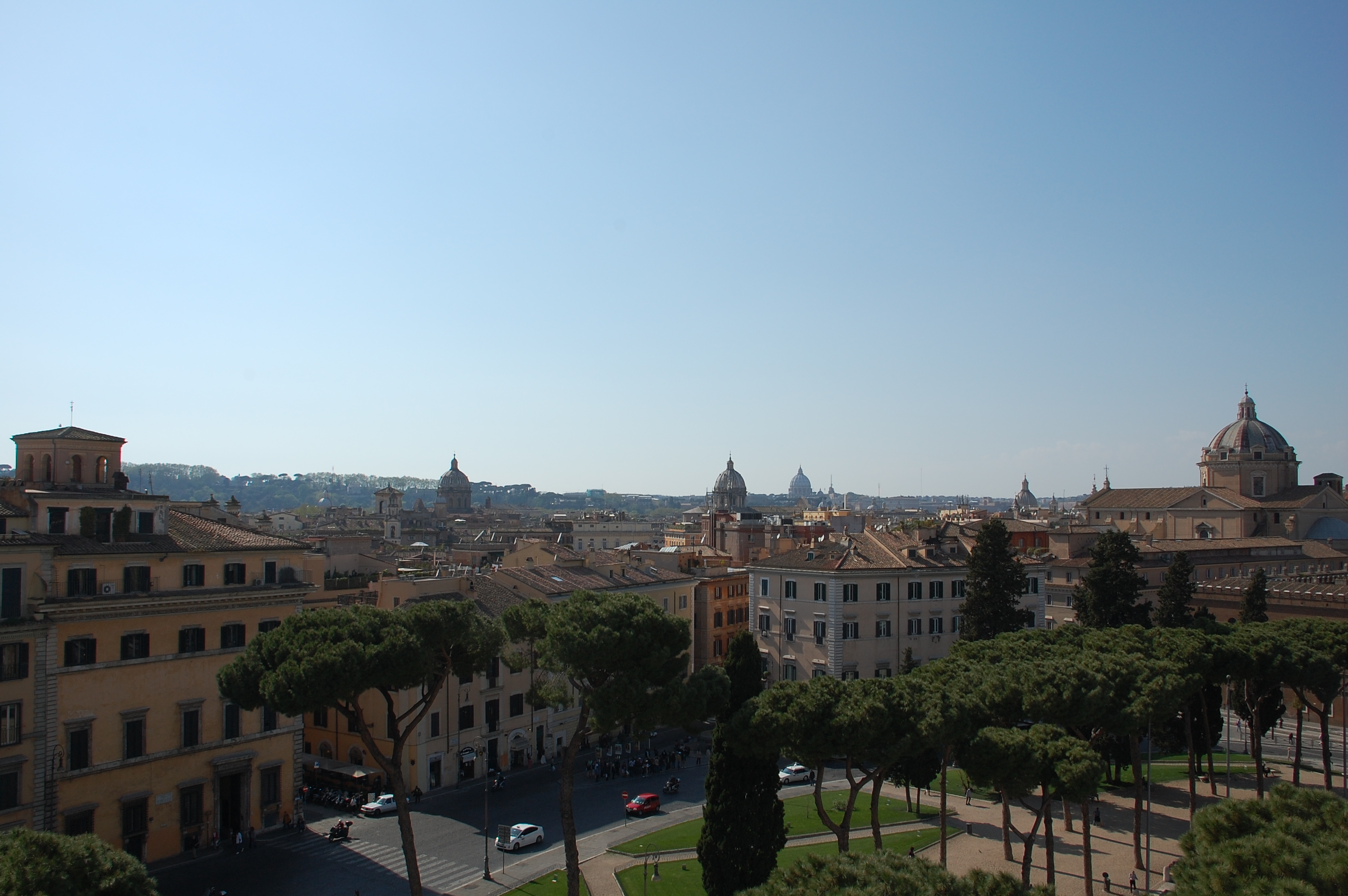
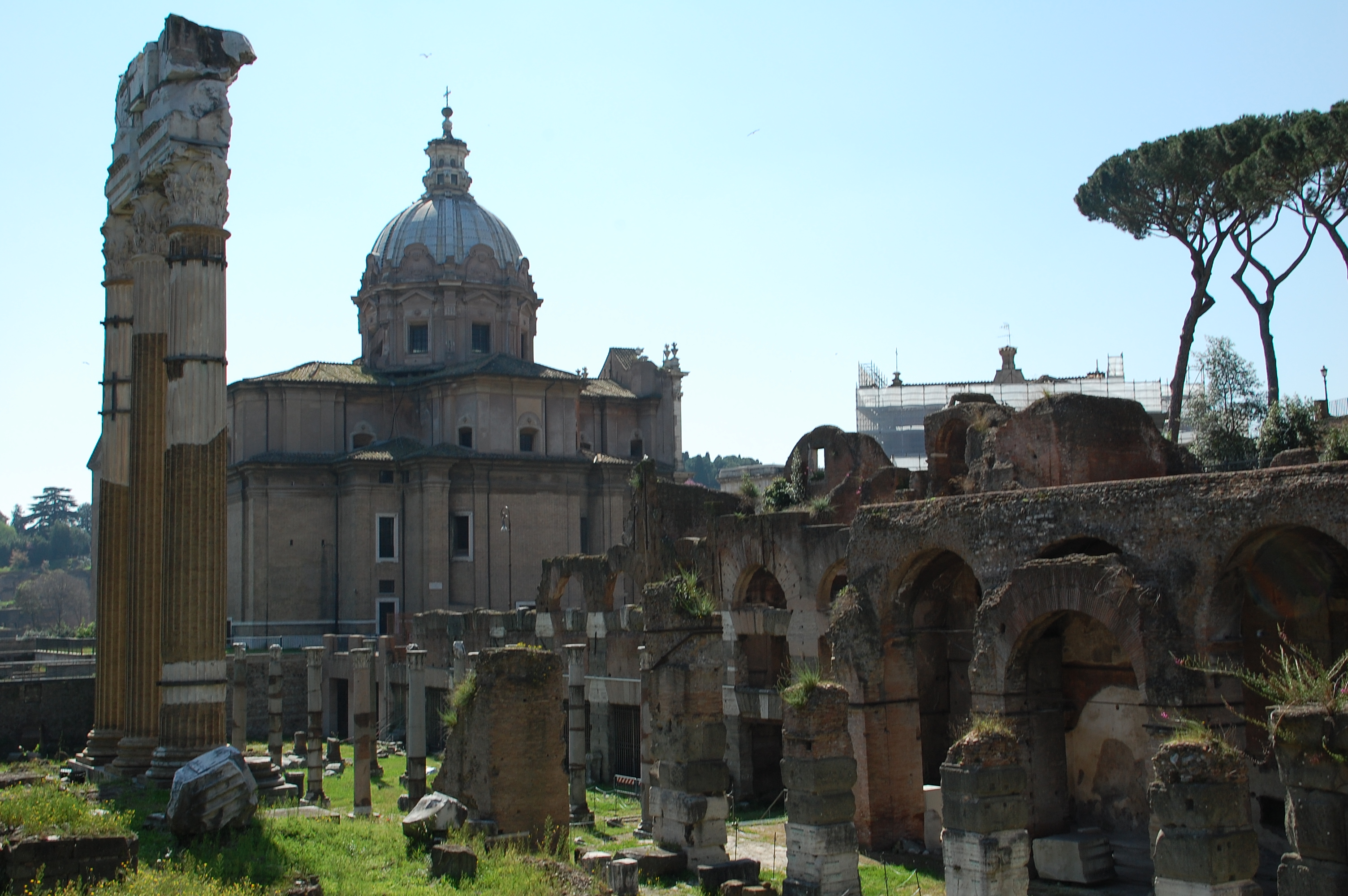
Driving into the city from the airport, you slowly get farther away from the countryside – little pastures with sheep along the highway (not very romantic or charming as I imagine Ireland to be, but still cute!) – and slowly get closer to the center of Rome. Of course, it depends where into the city you’re going, but we were going to our hotel, Santa Chiara, which is very close to the Pantheon. As we drove to the hotel, we went by important monuments, like the Palatine Hill (the ancient palace of Domitian), Circus Maximus (the stadium for chariot races that held about 150,000 people), and the Vittorio Emanuele monument in Piazza Venezia. Upon our arrival to the hotel, we were greeted by the sweetest doorman who embodied Italian hospitality and kindness (my mom actually cried saying goodbye to him when we left). He proceeded to tell us the story behind the statue in the lobby, full of pride for his beautiful, ancient city.

We spent a lot of our time in Rome simply walking around from place to place, which is really the best way to experience the city because it’s how you encounter Roman life. Rome is…pockets of life everywhere you look – a different perspective from every angle and Italians talking, laughing, bickering everywhere. Italians really know how to enjoy life in a way that Americans simply don’t. The importance that is placed on taking time out of your day to get a coffee (usually with a friend or colleague and rarely by yourself), working at a more leisurely pace, taking a siesta in the afternoon, stopping in the middle of the street to have a conversation, etc. It’s things like this that remind me how communal and laid back Italians are. Rome is not without its hectic moments with the traffic and the chaos, I’ll admit that, but Italians have a relaxed, take in the moment, take in life attitude that I love so much.
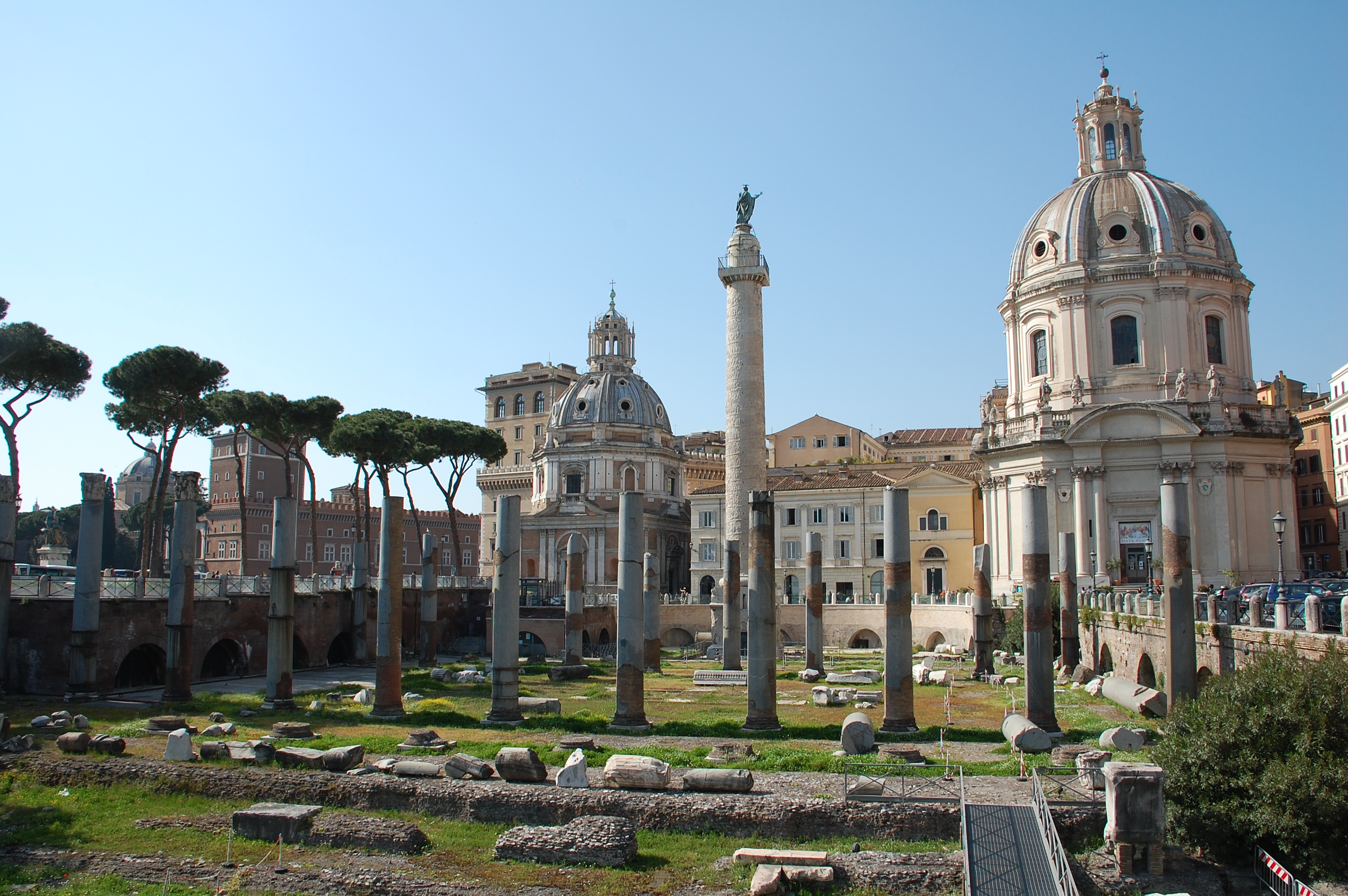
It’s been surreal for me, walking around Rome, knowing that this used to be my life. Just the usual, everyday routine – going to school, going to ballet lessons, going to a friend’s house, enjoying a delicious meal in a beautiful piazza, and simply living in the center of Rome. It’s hard to believe that I had such a glorious childhood, and I only wish that it was still my life.
Italians appreciate beauty for beauty’s sake. This is something that not every culture in the world does, especially not the U.S. The buildings, the monuments, the streets…everything screams beauty (to me anyway) and there is no escaping it. It begs you to appreciate it, if not for any purpose, simply for its aesthetic quality. I think this, in itself, is a beautiful thing and I think everyone would be much happier if they sought to see the beauty in things.

Italians have an elegance about them, that again, Americans simply don’t. From their clothing, to their shoes (perhaps the best indicator of elegance), to the presentation in restaurants (waiters meticulously preparing fish in front of you at the table), to the apartments, the storefronts, the cafes, etc. Elegance and beauty are intertwined and inherently part of every Italian (I think). Italians are also very cultured, which comes naturally when you live in a place like Rome. You are so inspired by your surroundings that you can’t help but be interested in great literature, music, and art. Not only are you surrounded by it physically in Rome, but you also encounter it personally in those around you.

For us, the trip was like returning home. Although it’s been such a long time since we had been back together, going to our favorite restaurant for lunch as soon as we got there felt as natural as it did when we lived there. The waiters remembered us and made our favorite dish, even though it’s no longer on the menu. Walking to my old school on the same route that I did when I was little felt just like I was actually going to school. Walking past our old apartment, however, felt a bit far removed because the street has changed so much since we lived there. Meeting old friends also felt a bit strange because it’s hard to know what to talk about when it’s been 13 years since you have seen someone – not to mention the language barrier, which as much as I wish that it wasn’t present, it was for me. But overall, being back in Rome, back home, felt very comfortable and natural, just like home ought to feel.

Home sweet Rome
A scene from “Gloria”
0I really like this musical scene from the Chilean film, Gloria, by Director Sebastian Lelio, even though I can’t understand the words…
Invitation to the Voyage by Charles Baudelaire
0In honor of my grandpa
Invitation to the Voyage
My child, my sister,
Think of the rapture
Of living together there!
Of loving at will,
Of loving till death,
In the land that is like you!
The misty sunlight
Of those cloudy skies
Has for my spirit the charms,
So mysterious,
Of your treacherous eyes,
Shining brightly through their tears.
There all is order and beauty,
Luxury, peace, and pleasure.
Gleaming furniture,
Polished by the years,
Will ornament our bedroom;
The rarest flowers
Mingling their fragrance
With the faint scent of amber,
The ornate ceilings,
The limpid mirrors,
The oriental splendor,
All would whisper there
Secretly to the soul
In its soft, native language.
There all is order and beauty,
Luxury, peace, and pleasure.
See on the canals
Those vessels sleeping.
Their mood is adventurous;
It’s to satisfy
Your slightest desire
That they come from the ends of the earth.
— The setting suns
Adorn the fields,
The canals, the whole city,
With hyacinth and gold;
The world falls asleep
In a warm glow of light.
There all is order and beauty,
Luxury, peace, and pleasure.
 gooollysandra