When we say we like a movie, what are we really saying? Sure we can appreciate and admire films for their form or content and we can like them for the ideas they convey or for their beautiful cinematography, but what is it that leads us to say we like a certain film? It’s the feeling they evoke in us. There are film theorists who will go great lengths to describe what signs are present in films that cause us to like them, or the ways in which certain films connote or denote things that make them ‘good’ films. But I don’t think that all that theorizing gets to the heart of what makes us like films. I think the power of film really lies in how they make us feel, rather than certain qualities that might be inherent in the film. How often do we like films solely because of their form or content and cast aside the emotions they evoke in us? Perhaps there are truly genuine film connoisseurs who can look at a film only for the ways in which it excels in terms of its medium (and I’m sure there are), but I find it virtually impossible to separate my emotions from my appreciation for a film while I am watching it. If this makes me an average film spectator, then so be it. I would rather remain an emotional film spectator than take the emotion out of the film-vieweing experience and look at films purely from an intellectual standpoint.
Because Valentine’s Day…
0Because it’s Valentine’s Day and because I love this video, cheers to the day of love.
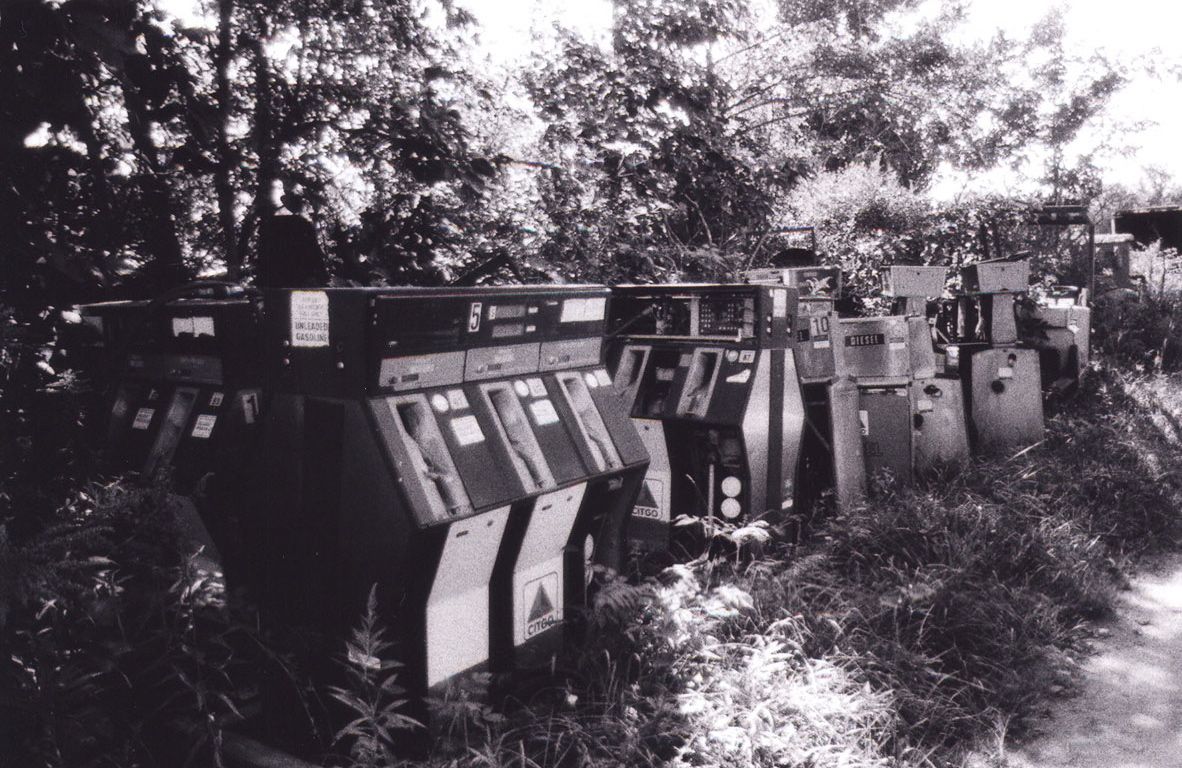
The Junkyard
0These are some pictures I took at a junkyard for a photography class and developed in a dark room. Sometimes trash can be beautiful.




Sky Full of Stars
0This unique, low-key video of Coldplay’s new song, “Sky Full of Stars”, reminds me why I love the band so. The song is quite catchy and I like the way the video incorporates regular people following the band along the streets. Their cheer adds to encompassing feeling evoked by the song, and naturally, Chris Martin and his band members play off of their reactions. There is also the allusion to Mary Poppins and Dick Van Dyke‘s musical routine with a similar drum setup with a twist.
Machines
0Do you ever think to yourself – I wish I knew how my computer worked? It might sound like a silly question, but truly most of us have no idea how our computers actually work, and yet we use them everyday with incredible ease. What happens when we hit the command key? How does hitting that key correspond with some little chip in the computer’s innards to make something happen on the screen? It’s an incredible thing when you think about it, and we take it for granted.

This question popped into my head last night as I finally got to see The Imitation Game (which is an excellent movie, by the way), and it occurred to me that not only do we not understand how our own computers work, but we don’t really know how many machines work. Surely, mechanics, engineers, and mathematicians understand how machines work since they are the ones inventing them, but the average person really has no idea and simply reaps the benefits of these machines. I’m thinking of machines such as cars, medical equipment like an MRI machine, machines in factories, etc. What marvelous inventions they are that can do work beyond the comprehension of most people. The device created by Alan Turing in The Imitation Game was the birth of computers, and not only was the film extremely well-done, it evokes themes that are really important such as technological advances, the treatment of homosexuals, and the common social handicaps inherent in geniuses.

You and Me
0I heard this song during the Parenthood series finale the other night and I just thought it was a lovely song. It was played during an emotional scene while the family was having their pictures taken at Sarah’s wedding, which was a nice overview of all the characters and their relationships with one another during the final episode. Of course, emotions always play in role in how we perceive something, so I really enjoyed this song as it was played during this scene. Also, this is a beautiful video.
Berkshire seasons
2The Berkshires take on different auras throughout the seasons. Autumn is arguably the most spectacular season and people travel to Berkshires just to see the fall foliage, but all of the seasons are endearing in their own way. These are pictures of the four seasons in all their glory.
Autumn

Winter

Spring

Summer

Babies
0What is our fascination with babies? I have to admit, I myself sometimes indulge in that fascination, but why? What is it about babies that drives people mad with admiration and joy? I don’t particularly have any desire to have children, but I still get giddy when I see a really cute child, but I don’t know why since I don’t want one myself. Or when we’re holding a baby, which I was doing recently, and we stare at him or her in anxious anticipation of eliciting a reaction – a smile, a laugh, or any kind of sign of interaction with us. We also admire whatever adorably cute outfit they have on and praise the parents for dressing them so well. Although there are people who claim to truly hate babies, I think to a certain extent, we are naturally drawn to babies and are fascinated by them because we can’t quite understand them. We recognize that we were all babies at one time, but we can’t remember that time in our lives and what it was like to be a baby, so the peculiarity about what babies can see or understand or what they make of us intrigues us.
 gooollysandra